

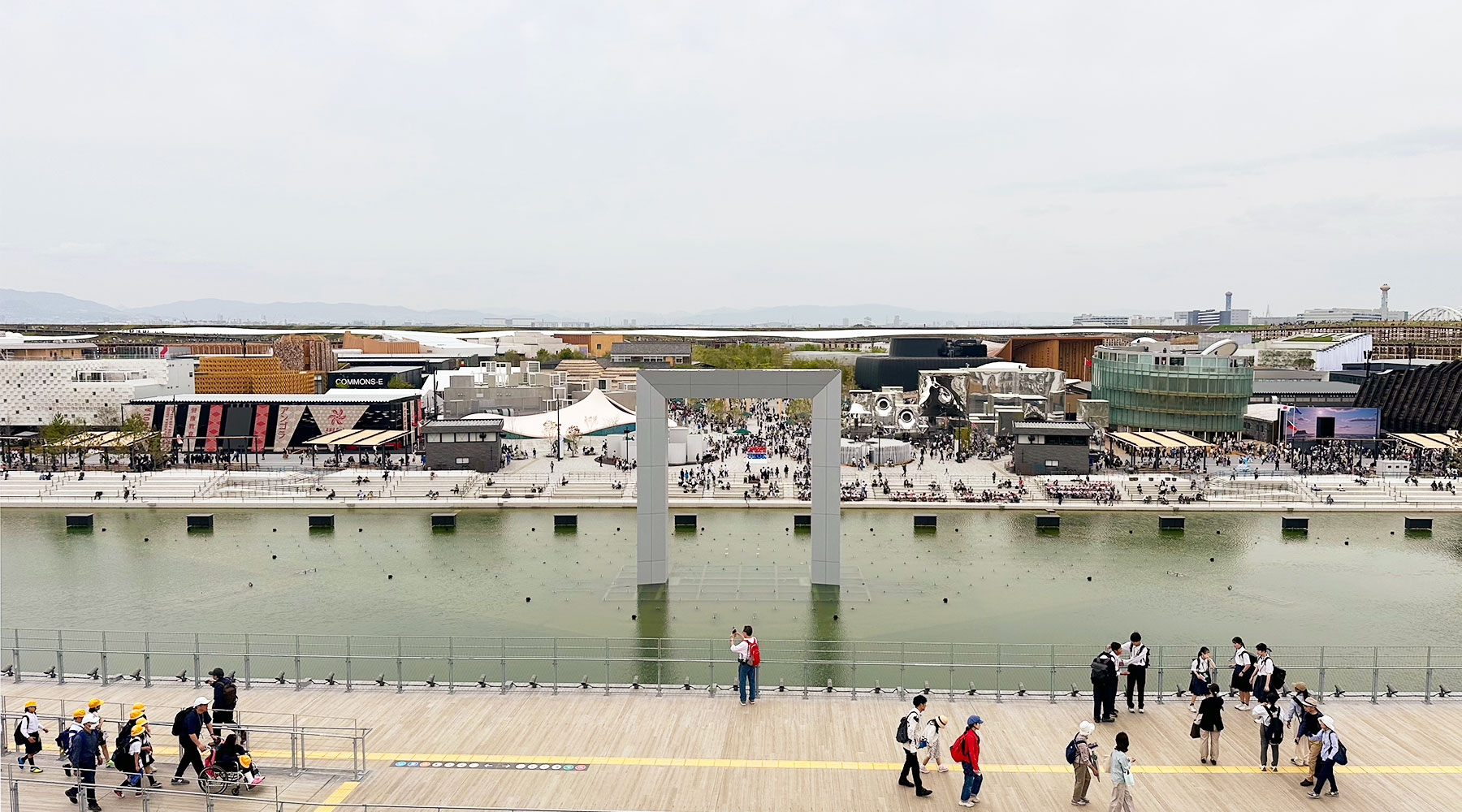
For those who don't know, the Expos are large-scale international events that bring together countries from around the world to present their innovations, cultures, ideas for the future and solutions to global challenges. I usually affectionately call them “Fair of Nations with a lot of investment”, lol…
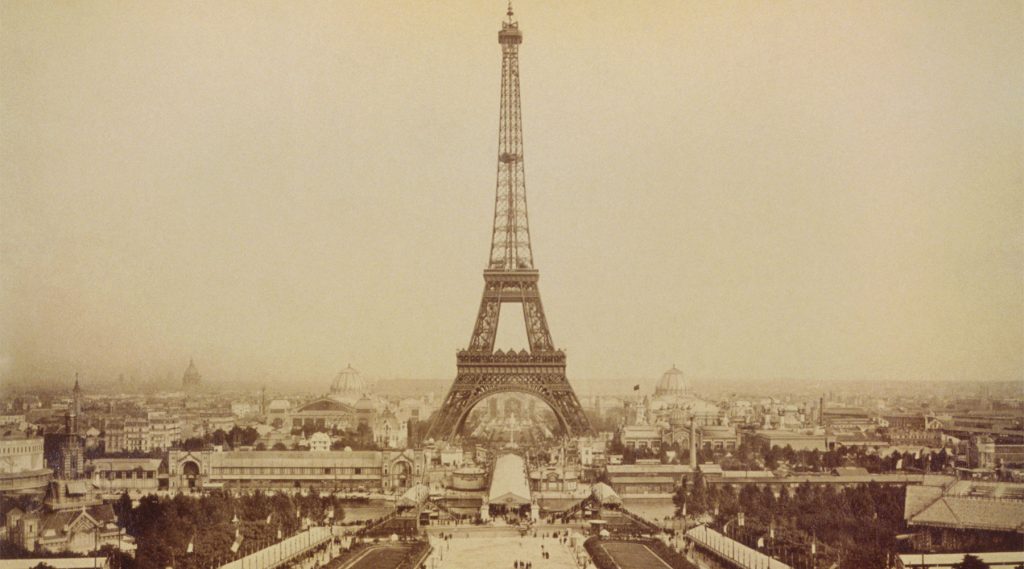
To give you an idea of the historical importance of Expos, the Eiffel Tower was inaugurated at the Paris Expo in 1889. That same year also saw the introduction of the telephone and electric street lighting. In 1970, at the Osaka Expo, the Shinkansen (bullet train) debuted, among many other great inventions.
I had the opportunity to visit two Expos: the one in Dubai in 2022 (called Expo 2020, but postponed because of the pandemic), and the one that is taking place now in Osaka. I will tell you a little about my experience.
Expo Dubai 2020
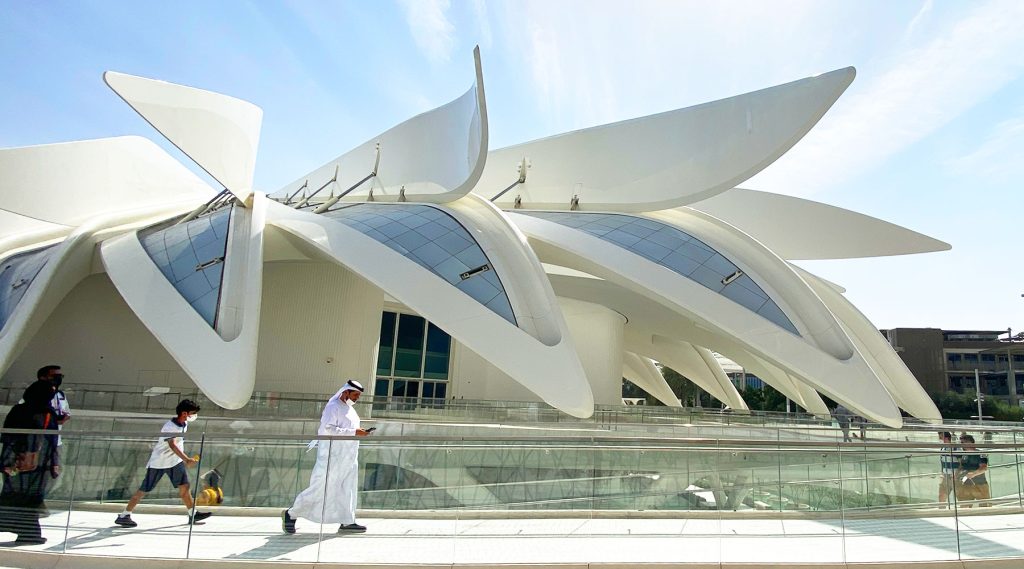
It was my first time at an Expo, and I was thrilled! A grand, exuberant event, with several pavilions designed by renowned architecture firms such as Foster + Partners, Santiago Calatrava, and others. The theme was “Connecting Minds, Creating the Future”, focusing on Sustainability, Mobility and Opportunities.
You explored the spaces as if you were visiting several countries in a single day, immersing yourself in the culture and learning about their future plans. There wasn't one major project that stood out in isolation, but there were several new and clever solutions from all areas. I went for two days and didn't even get to see half of it, just to get a sense of how big the event was.
Brazilian Pavilion
Expo Osaka 2025
This time, I was so excited that I visited the Expo for three days, lol… I went to the opening (which was quite hectic), and then another two days that provided a good experience. Less grand than Dubai, but still huge. I managed to see about two-thirds of the pavilions.
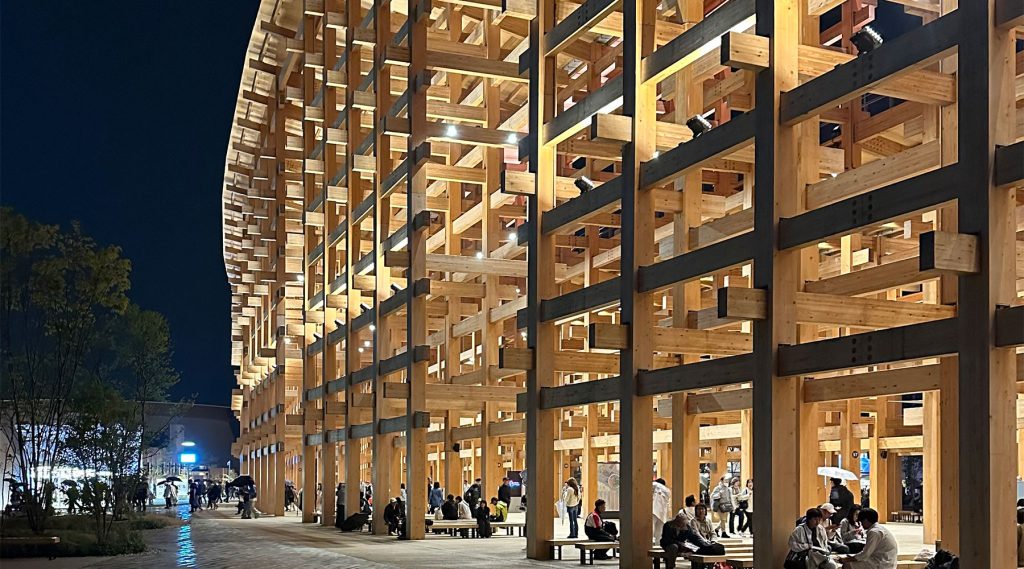
The theme is “Designing the future society for our lives”, focusing on health, well-being and innovation for humanityThe space is organized around the Grand Ring, the largest wooden structure in the world (which entered the Guinness Book of Records!). It was built primarily with joints (common in Japanese construction) and serves both as a circulation area and as shelter from the sun and rain.
The project that caught my attention the most was the creation of an artificial heart tissue that pulses on its own, with the potential to revolutionize the treatment of heart disease.
Pasona Natureverse Pavilion, where the artificial heart tissue was presented
Japan invested heavily in pavilions focused on health, food, robotics, housing, and sustainability, which ended up clashing with the pavilions of other countries, which mostly presented few projects and promoted their culture, like the Brazilian pavilion. Not to mention some other countries that may not have fully understood the purpose of the Expo, like the Turkish pavilion, which only sold kebabs and carpets, lol...
Brazilian Pavilion
Conclusion
I believe Expos continue to be a stage for innovation, but I have a feeling it's difficult to maintain this as the main focus. In this latest edition alone, there are around 158 participating countries... and, let's face it, it's unlikely that all of them have projects to present or the budget to set up a beautiful pavilion.
Still, the event ends up functioning as a diplomatic and cultural presentation space, which is certainly interesting!
Visiting an Expo is a unique experience, and if you have the opportunity, go with time and calmly. explore the world in one place.
Note: The next Expo will be in Riyadh, Saudi Arabia, in 2030.